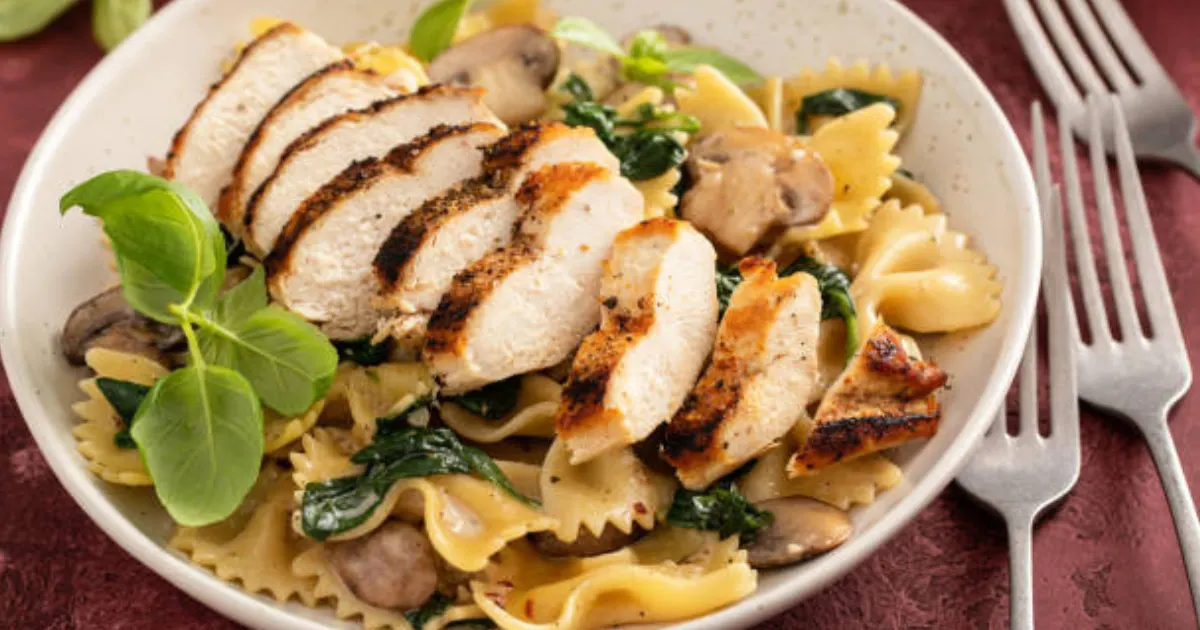
There are few dishes that evoke such widespread delight and comfort as a perfectly executed plate of chicken alfredo. This iconic pasta dish, with its luscious, creamy sauce and tender, seasoned chicken, transcends mere sustenance to become a true culinary experience. While often perceived as a restaurant-quality meal requiring extensive effort, the secret to achieving sublime chicken alfredo in your own kitchen lies in understanding a few fundamental principles and mastering some straightforward techniques. Forget bland, watery versions; we’re diving into the essential elements that transform simple ingredients into a show-stopping meal that’s both incredibly satisfying and surprisingly accessible, often ready in just over 30 minutes!
The Essential Trio: Crafting Your Perfect Chicken Alfredo
At the heart of any truly exceptional chicken alfredo recipe are three core components, each playing a critical role in the symphony of flavors and textures. When meticulously prepared, these elements—the chicken, the pasta, and the sauce—come together to create an unforgettable dish that will have your family asking for seconds.
Achieving Tender, Flavorful Chicken
The chicken in your alfredo should be anything but an afterthought. We're aiming for juicy, tender pieces with a delightful golden-brown sear. Here’s how to master it:
- Seasoning is Key: Don't skimp on flavor. Before cooking, generously season your chicken breasts with salt, black pepper, garlic powder, onion powder, and perhaps a touch of paprika or Italian seasoning. This creates a flavorful crust.
- Pan-Frying for Perfection: A hot skillet with a swirl of olive oil or butter is your best friend. Sear the chicken breasts until they develop a beautiful golden exterior on both sides. This creates a crisp, flavorful crust that locks in moisture.
- Preventing Dryness: The cardinal sin of chicken is overcooking. To ensure your chicken remains plump and juicy, use an instant-read thermometer. Chicken is safe and tender at an internal temperature of 165°F (74°C). Remember that it will continue to cook slightly as it rests off the heat. Remove it from the pan just before it hits this mark, allowing carryover cooking to bring it to perfection.
- Rest and Slice: After cooking, let the chicken rest for 5-10 minutes on a cutting board before slicing. This allows the juices to redistribute, resulting in more tender and succulent pieces.
Selecting the Ideal Pasta Base
While any pasta can technically work, the right noodle elevates your chicken alfredo from good to magnificent. The goal is to choose pasta that effectively cradles and clings to the rich sauce.
- Fettuccine Reigns Supreme: Traditionally, fettuccine is the pasta of choice for alfredo. Its long, flat, and wide ribbons offer maximum surface area, allowing the creamy sauce to adhere beautifully to every strand.
- Other Excellent Choices: Linguine, similar to fettuccine but slightly narrower, is another fantastic option. For those who prefer shorter pasta, penne is a great contender, with its ridges and hollow interior perfectly designed to catch and hold pockets of that delicious sauce.
- Al Dente Perfection: No matter your pasta choice, cook it to al dente – meaning "to the tooth." It should be firm but yielding, with a slight bite. Overcooked pasta turns mushy and loses its structural integrity, making it less enjoyable and less effective at holding the sauce. Always reserve some of that starchy pasta water before draining; it's a secret weapon for sauce consistency!
Crafting the Dreamy, Velvety Cream Sauce
The sauce is, without a doubt, the star of any chicken alfredo. It's the luxurious coating that brings all the components together. Our mission here is a sauce that is rich, velvety, and bursting with garlic and Parmesan flavor.
- The Foundation: Begin with good quality butter and minced garlic. Sautéing the garlic gently in butter sets a fragrant base for your sauce.
- Embrace Heavy Cream: For that truly indulgent, restaurant-style richness, heavy whipping cream is the ingredient of choice. While you can substitute with half-and-half or whole milk to lighten it up, be aware that this will result in a thinner sauce with less body and decadence.
- The Parmesan Principle: This is perhaps the most critical tip for an unctuous sauce. Always use freshly grated Parmigiano-Reggiano cheese straight off the block. Pre-shredded or pre-grated cheeses often contain anti-caking agents that prevent them from melting smoothly, leading to a grainy or clumpy sauce. Freshly grated Parmesan melts into the cream beautifully, creating a silky-smooth texture and an incomparably richer, nuttier flavor.
- Optional Decadence: For an extra layer of richness and body, some recipes, particularly Americanized versions, incorporate egg yolks. Whisked into the warm cream, egg yolks contribute to an even more luxurious, almost custardy texture.
- Seasoning and Finish: Finish the sauce with salt and freshly ground black pepper to taste. A pinch of nutmeg can also enhance the savory notes and depth of flavor, a classic Italian touch.
Beyond the Basics: Elevating Your Chicken Alfredo
While the core components are crucial, a few additional tips and considerations can truly elevate your homemade chicken alfredo, making it not just good, but absolutely spectacular.
Prep Like a Pro: The Mise en Place Advantage
The beauty of a great chicken alfredo recipe is how quickly it comes together once you start cooking. This speed means that having all your ingredients prepped and ready before you begin is paramount. This culinary concept, known as "mise en place" (everything in its place), is a game-changer. Slice your chicken, mince your garlic, grate your Parmesan, and measure out your cream and butter. This ensures a smooth, stress-free cooking process and prevents anything from burning while you’re scrambling for the next ingredient. Think of it like a stir-fry; once the heat is on, things move fast!
Mastering Sauce Consistency
Sometimes, despite your best efforts, the sauce may not be exactly the consistency you desire. Don't fret; this is easily remedied:
- Sauce Too Thin? If your sauce seems a bit runny, simply simmer it for a few extra minutes over low heat, stirring occasionally. As it gently cooks, the water content will evaporate, and it will thicken. Alternatively, remove it from the heat and let it sit for a minute or two before tossing with the pasta; it will naturally thicken as it cools slightly.
- Sauce Too Thick? This is where that reserved pasta water comes in handy! If your sauce becomes too thick or sticky, gradually stir in a tablespoon or two of the hot, starchy pasta water. The starches in the water help to emulsify the sauce, loosening it up beautifully while maintaining its creamy texture and flavor.
Exploring Flavor Boosters and Variations
While classic chicken alfredo is perfect on its own, don't be afraid to experiment with slight additions to personalize your dish.
- Herbs: Fresh parsley, finely chopped, adds a lovely color and freshness when stirred in at the end. Fresh basil can also offer a fragrant counterpoint to the richness.
- Vegetables: For added nutrition and texture, consider sautéing some mushrooms, spinach, or sun-dried tomatoes and folding them into the sauce with the chicken and pasta.
- Lightening Up: As mentioned, switching heavy cream for half-and-half or whole milk will reduce the calorie count, though you'll sacrifice some richness. It's a trade-off worth considering if you're mindful of dietary goals.
A Glimpse into Alfredo's Rich History
The story of alfredo sauce is as fascinating as it is delicious. While the Americanized version we cherish today, with its generous use of heavy cream, is a relatively modern invention, the roots trace back to early 20th-century Rome. In the early 1900s, an Italian restaurateur named Alfredo Di Lelio reportedly created a simple dish of fresh fettuccine tossed with butter and Parmigiano-Reggiano cheese for his pregnant wife, to entice her appetite. This minimalist yet utterly satisfying preparation became a sensation at his eponymous restaurant.
The dish's journey to American fame began in the 1920s when Hollywood stars Mary Pickford and Douglas Fairbanks tasted it in Italy. Upon their return, they championed the dish, bringing it to the attention of American chefs and diners. Over time, as it made its way into cookbooks and restaurants across the States, the recipe evolved, incorporating the heavy cream and often egg yolks that are now synonymous with the classic chicken alfredo we know and love today. It’s a testament to how culinary traditions adapt and flourish across cultures.
Putting It All Together: Your Path to Perfect Chicken Alfredo
The beauty of mastering these "secrets" is that they aren't complicated; they're simply smart techniques and ingredient choices that yield dramatic results. With just a little attention to detail—from seasoning your chicken perfectly to grating your own Parmesan—you can transform simple ingredients into a gourmet-level meal. This isn't just about following a recipe; it's about understanding the nuances that elevate your cooking. You’ll be amazed at how quickly you can create easy 30-minute chicken alfredo that tastes like it took hours. Serve it with a crisp green salad and some warm garlic bread, and dinner is officially a showstopper.
So, next time you're craving that ultimate comfort food, bypass the takeout menu and unleash your inner chef. With these insights, you're now equipped to create a creamy, dreamy, and utterly delicious chicken alfredo that will become a cherished staple in your culinary repertoire. Happy cooking!
