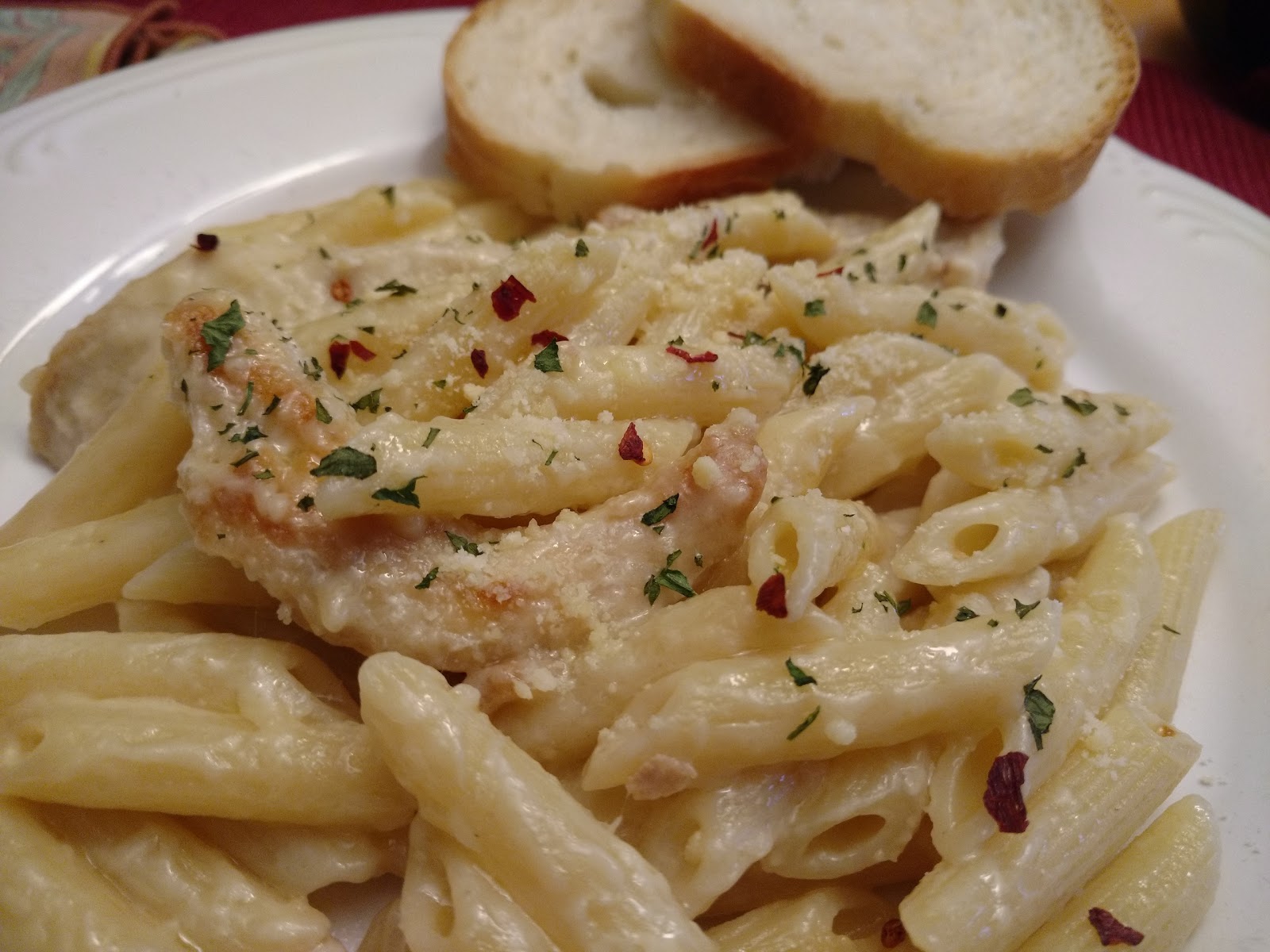
Classic Chicken Alfredo: History, Tips, & The Ultimate Homemade Recipe
There are few dishes that evoke such universal comfort and satisfaction as a perfectly prepared plate of classic
chicken alfredo. This beloved pasta dish, renowned for its rich, velvety sauce, tender chicken, and perfectly cooked noodles, has earned its place as a staple in kitchens and restaurants worldwide. While it might look and taste like a gourmet indulgence, creating an extraordinary chicken alfredo at home is surprisingly accessible, making it a showstopper meal that’s well within reach for any home cook. Imagine golden, pan-fried chicken breasts, glistening with seasoning, nestled atop a bed of tender pasta, all generously coated in a dreamy garlic and Parmesan cream sauce. It’s a symphony of textures and flavors that truly defines comfort food, and it’s a meal your entire family will adore.
The Three Pillars of Exceptional Chicken Alfredo
A truly outstanding chicken alfredo hinges on the harmonious interplay of its three main components:
- Wonderfully Seasoned Pan-Fried Chicken: Crispy, golden on the outside, and juicy on the inside, the chicken adds a robust protein element and delightful texture.
- Tender Cooked Pasta: While fettuccine is the traditional choice, any pasta that can generously hold the luscious sauce will do.
- A Velvety Garlic and Parmesan Cream Sauce: This is the heart and soul of the dish, transforming simple ingredients into a rich, decadent experience.
Each element is delicious on its own, but when combined, they create an irresistible culinary masterpiece that tastes incredibly gourmet, despite its relative ease of preparation.
The Rich History of Alfredo: From Rome to American Tables
To truly appreciate the creamy decadence of chicken alfredo, it's worth delving into its fascinating origins. While the American version is famously rich and laden with cream, the original Alfredo sauce was far simpler and more refined.
The story begins in the early 20th century, specifically in Rome, Italy. A restaurateur named Alfredo Di Lelio is credited with inventing what we now know as "Fettuccine all'Alfredo." Legend has it that he created the dish for his pregnant wife, Ines, who was suffering from morning sickness and needed something nourishing yet palatable. His original recipe was incredibly straightforward: fresh fettuccine pasta tossed with copious amounts of butter and finely grated Parmigiano-Reggiano cheese. The magic happened as the hot pasta melted the butter and cheese, emulsifying with a bit of the starchy pasta water to create a delicate, creamy coating without any added cream. This was a dish focused on the quality of its few, pristine ingredients.
The dish gained international fame after American silent film stars Mary Pickford and Douglas Fairbanks tasted it at Alfredo's restaurant during their honeymoon in 1920. Captivated by its simplicity and deliciousness, they reportedly brought the recipe back to Hollywood, where it quickly caught on among chefs and the public. As the dish migrated across the Atlantic and gained popularity in the United States through the 1930s and 40s, it began to evolve. American palates, accustomed to richer sauces, adapted the recipe, often incorporating heavy cream, garlic, and sometimes even egg yolks to achieve the ultra-luscious, thick consistency we associate with chicken alfredo today. This Americanized version became a culinary sensation, though it bears little resemblance to Alfredo Di Lelio's humble original. Despite the transformation, the essence of comfort and indulgence remains, making
secrets to perfect chicken alfredo: creamy sauce & tender chicken a timeless classic.
Mastering the Components: Tips for Perfect Homemade Chicken Alfredo
Creating a truly memorable chicken alfredo requires attention to detail for each of its core ingredients. Here are some expert tips to ensure your homemade version reaches its full potential.
The Chicken: Golden, Tender Perfection
The chicken in your alfredo should be a star in its own right – crispy, well-seasoned, and incredibly tender.
- Season Generously: Don't be shy with salt, freshly ground black pepper, and a touch of Italian seasoning or garlic powder. This builds flavor from the ground up.
- Pan-Frying for Sizzle: Use a hot pan with a little olive oil to get that beautiful golden-brown sear on the chicken breasts. This creates a delightful crust while keeping the inside juicy.
- Avoid Overcooking: This is crucial. Overcooked chicken becomes dry and tough. The best way to ensure perfect doneness is to use an instant-read thermometer. Chicken is safely cooked when it reaches an internal temperature of 165°F (74°C). Remember, it will continue to cook slightly as it rests off the heat.
- Rest and Slice: After cooking, let the chicken rest for 5-10 minutes before slicing. This allows the juices to redistribute, resulting in more tender meat. Slice against the grain for the best texture.
The Pasta: The Perfect Canvas
While tradition calls for fettuccine, the goal is simply a pasta that can lovingly hold the sauce.
- Fettuccine Reigns Supreme: Its long, flat strands offer ample surface area for the rich alfredo sauce to cling to, ensuring every bite is coated.
- Alternative Noodle Choices: Linguine is a fantastic alternative with a similar texture. Penne or rigatoni work well too, as their ridges and hollow centers trap the sauce beautifully. Even spaghetti can be used in a pinch. Ultimately, use your favorite!
- Cook Al Dente: The pasta should be cooked to al dente – firm to the bite, not mushy. It will continue to cook slightly when tossed with the hot sauce.
- Reserve Pasta Water: This starchy, salty water is liquid gold! Reserve about a cup before draining your pasta. It's invaluable for adjusting the sauce's consistency later.
The Dreamy Cream Sauce: The Heart of Your Alfredo
This is where the magic truly happens, transforming simple dairy into a luxurious coating for your chicken alfredo.
- Real Parmigiano-Reggiano is Non-Negotiable: For the best flavor and smoothest texture, always use a block of genuine Parmigiano-Reggiano cheese and grate it fresh. Pre-shredded or pre-grated cheeses often contain anti-caking agents (like cellulose) that prevent them from melting properly, leading to a grainy, less flavorful sauce. The difference in taste and texture is monumental.
- The Foundation: Butter, Cream, and Garlic: Start with good quality butter, gently sautéing minced garlic until fragrant (don't burn it!). Then, slowly whisk in heavy whipping cream.
- Optional Egg Yolks for Extra Luxury: For an even richer, more luscious texture, whisk in a couple of egg yolks with a splash of cream before adding them to the sauce. Temper them first by whisking a small amount of the warm cream into the yolks, then slowly adding the yolk mixture back into the main sauce while whisking continuously. This prevents scrambling.
- Seasoning: Salt and freshly ground black pepper are essential. A pinch of nutmeg can also elevate the flavor profile, adding a subtle warmth.
- Troubleshooting Sauce Consistency:
- Sauce Too Thin? Simmer for a few extra minutes over low heat, stirring occasionally. It will thicken as it reduces. Alternatively, remove it from the heat and let it sit for a minute or two before tossing with the pasta; it will naturally thicken as it cools slightly.
- Sauce Too Thick? Whisk in a tablespoon or two of your reserved pasta water, one at a time, until you reach your desired consistency. The starch in the water helps bind the sauce beautifully.
- Lightening it Up (with a Caveat): If you want to cut back on some richness, you can experiment with half-and-half or even whole milk instead of heavy whipping cream. However, be aware that the lower the fat content, the thinner the sauce will be, and the flavor will be less robust. You might need to add a bit of cornstarch slurry to achieve desired thickness.
Having all your ingredients prepped and ready (mise en place) before you start cooking is key, similar to making a stir-fry. This ensures a smooth, quick, and enjoyable cooking process for your
easy 30-minute chicken alfredo.
The Ultimate Homemade Chicken Alfredo Recipe
Ready to create your own culinary masterpiece? This recipe combines all the best elements for a chicken alfredo that will impress.
Ingredients:
- 1 lb fettuccine pasta (or preferred pasta)
- 2 boneless, skinless chicken breasts (about 1.5 lbs total)
- 1 tbsp olive oil
- 1 tsp Italian seasoning (or a mix of garlic powder, onion powder, paprika)
- Salt and freshly ground black pepper to taste
- 6 tbsp unsalted butter
- 4-5 cloves garlic, minced
- 2 cups heavy whipping cream
- 1 ½ cups freshly grated Parmigiano-Reggiano cheese (from a block)
- Optional: 2 egg yolks, whisked with a splash of cream
- Optional: Pinch of nutmeg
- Fresh parsley, chopped, for garnish
Instructions:
- Prep Chicken: Pat chicken breasts dry. Season generously on both sides with Italian seasoning, salt, and pepper.
- Cook Pasta: Bring a large pot of salted water to a rolling boil. Add fettuccine and cook according to package directions until al dente. Before draining, reserve about 1 cup of pasta water. Drain and set aside.
- Cook Chicken: While pasta cooks, heat olive oil in a large skillet over medium-high heat. Add seasoned chicken breasts and cook for 5-7 minutes per side, or until golden brown and cooked through (internal temperature reaches 165°F/74°C). Remove chicken from skillet, let rest for 5-10 minutes, then slice against the grain into ½-inch strips.
- Make the Alfredo Sauce: In the same skillet (no need to clean, those brown bits add flavor!), reduce heat to medium-low. Add butter and melt. Add minced garlic and sauté for 1-2 minutes until fragrant, being careful not to brown or burn it.
- Add Cream and Cheese: Slowly pour in the heavy whipping cream, whisking constantly. If using egg yolks, temper them now: slowly whisk a small amount of the warm cream mixture into the whisked egg yolks, then gradually whisk the tempered egg yolks back into the skillet. Bring the sauce to a gentle simmer (do not boil rapidly). Remove from heat and gradually whisk in the freshly grated Parmigiano-Reggiano cheese until smooth and fully melted. Add a pinch of nutmeg, if using, and season with salt and pepper to taste.
- Combine: Add the cooked, drained fettuccine to the skillet with the sauce. Toss gently to coat all the noodles evenly. If the sauce is too thick, add a splash of the reserved pasta water, a tablespoon at a time, until it reaches your desired consistency.
- Serve: Plate the saucy fettuccine and arrange the sliced chicken breast over the top. Garnish generously with fresh chopped parsley and an extra sprinkle of Parmigiano-Reggiano cheese.
Elevating Your Chicken Alfredo Experience
While chicken alfredo is a complete meal on its own, a few additions can truly elevate the dining experience:
- Garlic Bread: A warm, crusty piece of garlic bread is perfect for soaking up every last drop of that incredible sauce.
- Fresh Green Salad: A crisp, light green salad with a vinaigrette dressing provides a refreshing counterpoint to the richness of the pasta.
- Wine Pairing: A crisp white wine like a Chardonnay or Pinot Grigio complements the creamy flavors beautifully.
- Variations: Feel free to experiment! Add sautéed mushrooms, sun-dried tomatoes, or fresh spinach to the sauce for added vegetables and flavor.
Conclusion
From its humble Roman origins to its celebrated status as an American comfort food icon, classic chicken alfredo remains a testament to the power of simple ingredients transformed into something extraordinary. With its perfectly pan-fried chicken, tender pasta, and undeniably dreamy cream sauce, a homemade version is not just a meal – it's an experience. By following these tips and embracing the joy of cooking, you can easily create a dish that rivals any restaurant offering, proving that gourmet comfort is truly best enjoyed in the warmth of your own home. So, gather your ingredients, follow this ultimate recipe, and prepare to delight your family and friends with the magic of chicken alfredo.